
Cigar Industry Veteran Spotlight: Phil Zanghi of Debonaire & Indian Motorcycle
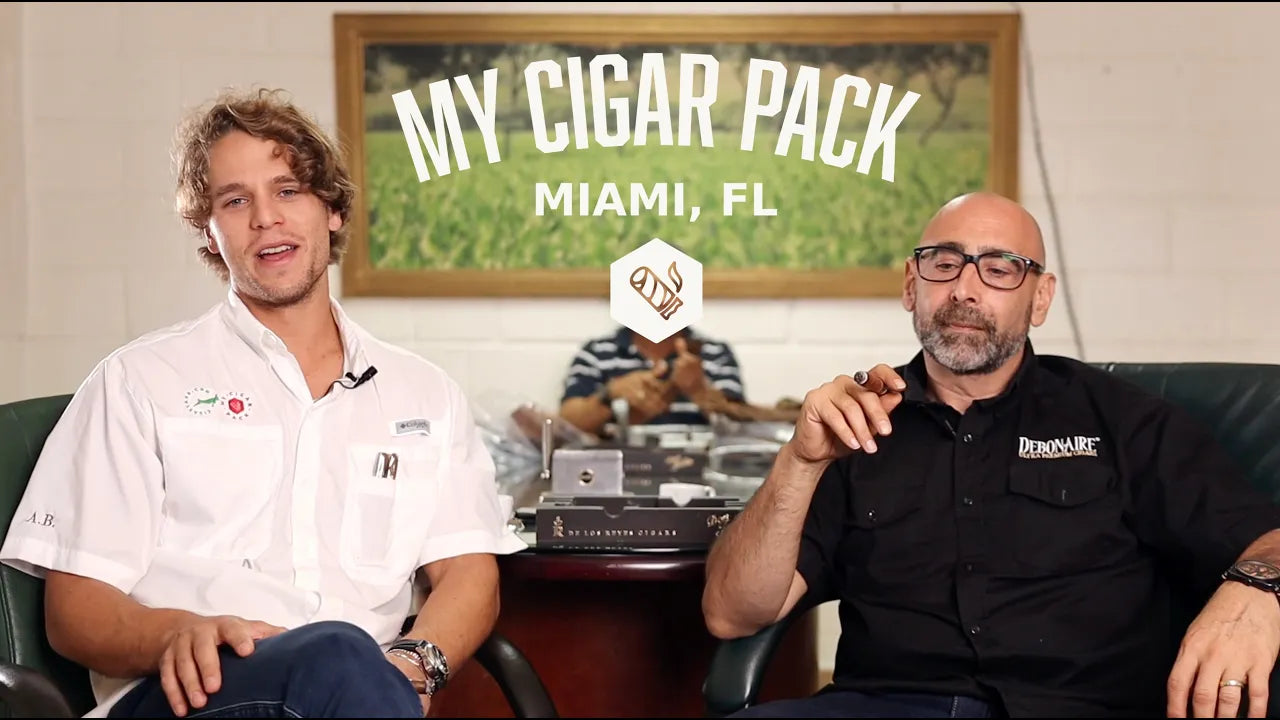
Cigar Industry Veteran Spotlight: Phil Zanghi
Some cigars carry more than flavor. They carry decades of lived experience, geography, relationships, and decisions that shaped how tobacco is grown, handled, and ultimately enjoyed. Spending time talking cigars with Phil Zanghi brings that reality into sharp focus. This is not a discussion built around marketing language or trend chasing. It is a deep dive into what it means to live inside the cigar world for a lifetime and to still approach each cigar with an appreciation for where it came from and why it exists.
This matters to cigar smokers because premium cigars do not exist in isolation. Every cigar reflects a chain of human effort that stretches back generations. Understanding that chain changes how a cigar is approached, how it is smoked, and how it is remembered. What follows is a faithful recap of that conversation, written from direct experience and observation, without narration of the setting and without inserting any speculation beyond what was actually shared.
Core Summary
Cigars were part of Phil Zanghi’s life long before they became his profession. Cigars were present in his family environment through both his father and grandfather, not as a business pursuit but as a daily ritual and a cultural constant. That early exposure created familiarity and respect for cigars before any commercial involvement existed.
Professional work in cigars began in 1991, marking the start of a career that would span premium, mass market, and leaf sourcing. That period coincided with involvement in reviving the Indian Motorcycle name, beginning with acquiring the trademark at a young age and initially producing apparel before exploring motorcycle manufacturing. At the same time, Indian Tobacco Company was established and grown during the early 1990s.
The cigar boom of the 1990s defined an entire generation of brands and personalities. During that period, a partnership was formed with Rocky Patel after meeting in Beverly Hills. Together, Indian Tobacco grew rapidly, placing it among the notable companies that emerged during the boom years. Many brands from that era disappeared once demand cooled, but this experience created a foundation of knowledge about production, distribution, and market behavior that remains relevant today.
By 2001, attention shifted toward machine-made cigars, mass market tobacco, and leaf brokering. This phase deepened understanding of tobacco as an agricultural and industrial product, not just a premium luxury item. Significant time was spent living and working in Honduras and Nicaragua, followed by a move to the Dominican Republic. This was not occasional travel. It was daily life, immersed in tobacco growing regions, working through each stage of production from seedbeds to fermentation and sorting.
By 2012, conversations began about returning to the premium cigar segment. In 2014, an opportunity emerged to develop cigars under the Indian Motorcycle name. After extensive vetting and discussion, the rights to Indian Motorcycle tobacco products were secured, establishing worldwide stewardship of that segment. This development aligned with the relaunch of Indian Motorcycle under new ownership, allowing cigars to grow alongside the brand’s revival.
Throughout this period, close collaboration continued with the De Los Reyes family in the Dominican Republic, a relationship that dates back to the late 1990s. Cigars were developed at their factory through collective effort between master rollers, blenders, and tobacco selectors. While blending itself was handled by experienced hands, involvement included selecting bales, evaluating leaf, and guiding development through long-standing familiarity with tobacco behavior.
Cultural and Industry Context
This story sits squarely inside the broader evolution of modern cigar culture. The 1990s cigar boom reshaped how cigars were consumed, discussed, and distributed. It introduced cigars to new audiences while also exposing weaknesses in sustainability and long-term planning. Many brands rose quickly and disappeared just as fast.
Remaining active after that period required adaptation. Experience across premium cigars, machine-made cigars, and raw tobacco sourcing created a rare perspective. Living and working in Honduras, Nicaragua, and the Dominican Republic provided firsthand understanding of how soil, climate, and farming practices influence tobacco character. That exposure is increasingly rare in an industry where many participants never see tobacco beyond the finished cigar.
Today’s cigar culture places renewed emphasis on authenticity and lineage. Consumers want to understand where cigars come from and who stands behind them. Stories rooted in decades of hands-on experience resonate because they represent continuity rather than novelty.
Brand and Cigar Breakdown
Debonaire cigars reflect a philosophy centered on balance, refinement, and elegance. These cigars are known for being composed and measured rather than aggressive. The focus is on harmony, allowing different elements to work together rather than compete. This approach aligns with a belief that cigars should be enjoyable across a range of occasions, not limited to moments when intensity is the primary goal.
Indian Motorcycle cigars represent a different expression of cigar culture. They are closely tied to heritage and identity, carrying the weight of an iconic American brand while being rooted in traditional cigar-making practices. The involvement here goes beyond surface-level branding. It reflects long-standing familiarity with the Indian Motorcycle name and a commitment to developing tobacco products that respect that legacy.
Both lines are developed through collaboration with established families and factories, emphasizing continuity and craftsmanship. These cigars are not positioned as experiments or short-term releases. They represent deliberate expressions shaped by long-term relationships, shared values, and accumulated knowledge.
Sensory and Experience-Driven Perspective
Talking cigars at this level naturally moves beyond tasting descriptors and into how cigars fit into life. Cigars are framed as companions to time, conversation, and reflection. The enjoyment of a cigar is shaped by where it is smoked, how much time is allowed, and the mindset brought into the experience.
Rather than chasing extremes, the emphasis remains on consistency and balance. A cigar should invite repeated enjoyment, offering familiarity without becoming boring. That balance is often what separates cigars that are smoked once from cigars that become part of a regular rotation.
There is also clear respect for the people behind the cigars. Rollers, blenders, and farmers are central to the experience. A cigar is understood not just as an object, but as the outcome of many decisions made long before it reaches the smoker’s hands.
Educational Value for the Reader
This discussion offers insight into how cigars are shaped long before they are lit. Understanding the journey from soil to cigar adds depth to the smoking experience. It encourages smokers to slow down and consider the processes and people involved.
For those interested in the industry, this path illustrates that there is no single route to building a cigar brand. Experience across multiple segments of the tobacco world builds resilience and perspective. Learning from established families and spending time in growing regions creates understanding that cannot be gained from distance alone.
It also highlights the importance of mentorship and timing. Many of the lessons shared were learned by working alongside figures who shaped modern cigar history. That lineage continues to influence how cigars are made and appreciated today.
Industry Impact and Consumer Perspective
From a consumer standpoint, cigars guided by long-term experience inspire confidence. Knowing that cigars are developed by people who have lived through multiple industry cycles adds credibility. It reinforces the idea that premium cigars are not disposable luxuries, but expressions of accumulated knowledge.
For the industry, continued involvement from figures with deep roots provides stability. Brands built on experience help anchor a market that can easily become trend-driven. They contribute to a culture that values education, transparency, and respect for tradition.
The collaboration between regions, families, and generations also underscores the global nature of cigar culture. Cigars connect people across borders through shared appreciation for craftsmanship and time.
Conclusion
This exploration of cigars through Phil Zanghi’s experience serves as a reminder of why premium cigars endure. They are not defined solely by flavor, strength, or packaging. They are defined by people, places, and patience.
Decades spent living and working in major tobacco regions, building brands, and collaborating with established families have shaped an approach that values balance, consistency, and respect for tradition. That approach is reflected in the cigars themselves and in how they are meant to be enjoyed.
For anyone who values premium cigars, understanding stories like this deepens appreciation. It reinforces that every cigar carries more than smoke. It carries history, labor, and the quiet intention of those who devoted their lives to making it right.