
LOST FILES INTERVIEW WITH MANUEL QUESADA - QUESADA CIGARS – VIDEO RECAP | MY CIGAR PACK
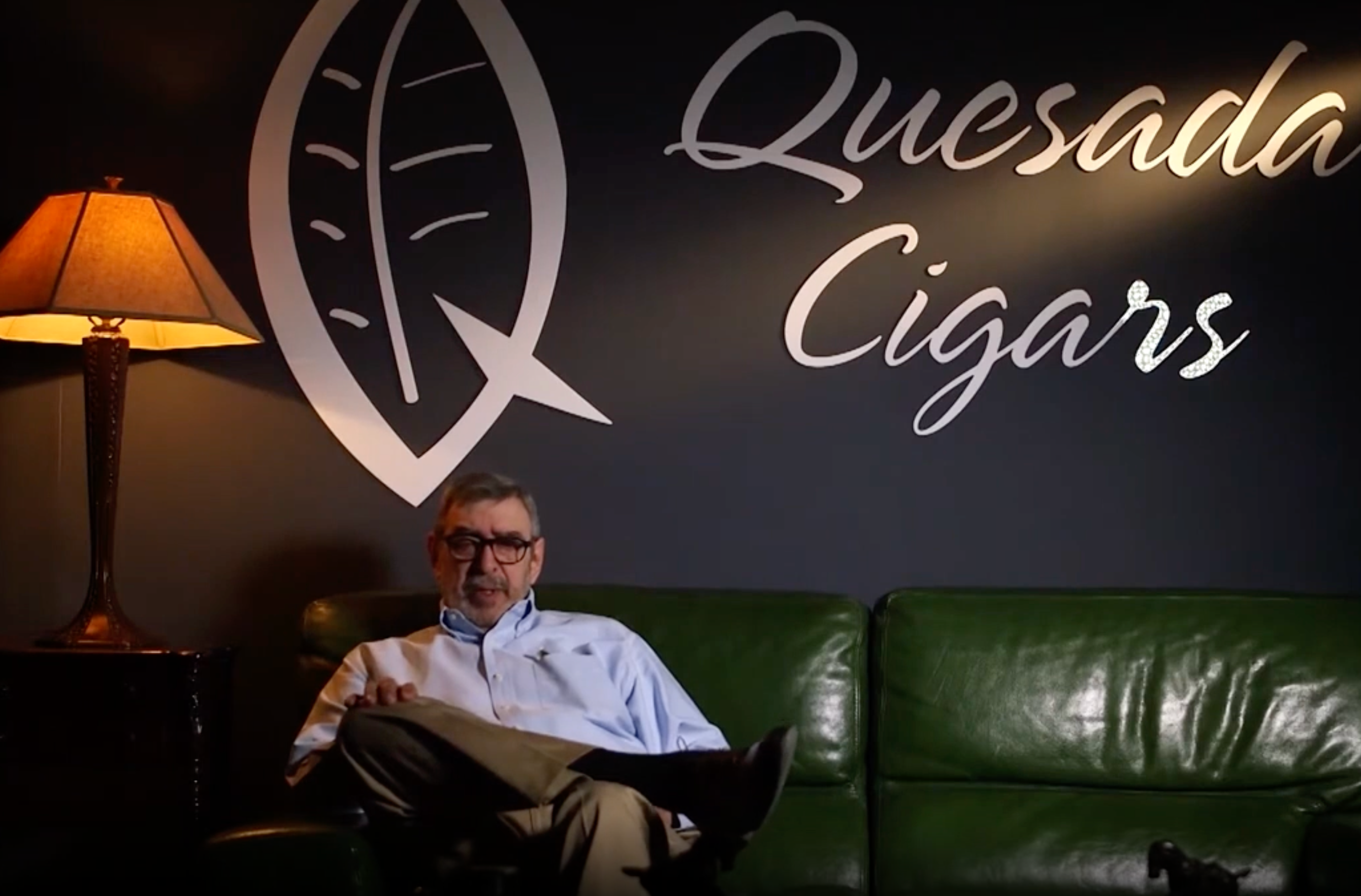
This special Lost Files episode features a rare and in depth interview with Manuel Quesada, co owner of Quesada Cigars, one of the most respected and historically significant cigar families in the Dominican Republic.
Recorded prior to the launch of My Cigar Pack and Cigar Yard in 2019 and thought to be lost due to corrupted SD cards, this 30 plus minute conversation was recently recovered and restored. The result is an unfiltered, candid look into Manuel Quesada’s philosophy on cigar making, legacy, family business, and the evolution of the premium cigar industry.
In this interview, Manuel reflects on decades of experience, the importance of consistency and integrity in blending, and how Quesada Cigars has maintained relevance across generations while staying true to its roots. It’s a thoughtful discussion that blends history, craftsmanship, and personal insight from one of the industry’s most admired figures.
Where It All Started
Fonseca and the Long Road Forward
The conversation begins where many stories at Quesada Cigars naturally begin, with Fonseca.
Fonseca is not just a brand in the portfolio. It is personal. It represents the early years, the learning curve, and the discipline that shaped everything that followed. Originally a Cuban brand exiled after 1959, Fonseca found a new chapter in the Dominican Republic and eventually became part of the Quesada family in the mid-1990s.
The brand itself has evolved, repackaged, repositioned, but never abandoned its core identity. Across its five blends, it moves from approachable and mild to richer and more intense, offering different paths to enjoyment rather than a single definition of pleasure.
That idea becomes a recurring theme.
Intensity Without Absolutes
Manuel Quesada speaks often about balance, not as a buzzword but as a responsibility.
Each cigar in the Fonseca lineup, and later in the broader Quesada portfolio, is designed to offer a distinct experience. Some lean gentler, others push further into intensity, but none exist to dominate the smoker. The goal is engagement, not intimidation.
Even when discussing specific cigars being smoked during the conversation, the language stays grounded. Creaminess, structure, progression. These are cigars meant to be lived with, not conquered.
The Early Days in Santiago
One of the most striking moments in the interview comes when Manuel recounts the literal beginning of the factory.
A hundred dollars.
Four bales of tobacco.
A wooden table.
A chair.
A phone.
An empty building.
No electricity. No lights. Cigars were rolled by windows to capture sunlight. Three cigar makers. That was it.
From those conditions came a mindset that still defines the operation today. You do not get consistency by accident. You earn it by showing up every day and refusing to accept “good enough.”
The Hardest Standard to Keep
Quality matters. But consistency matters more.
This is one of the clearest and most repeated points in the conversation. A cigar cannot be excellent today and mediocre tomorrow. If a smoker chooses a cigar and pays for it, they deserve to know what they are getting every time.
That standard is exhausting. It requires oversight, humility, and constant adjustment. Tobacco changes. Weather changes. Conditions shift hourly, daily, seasonally. The work never stabilizes.
The pride of a cigar maker is real, but pride must be managed. Every cigar placed on the table is someone’s work. That makes accountability personal.
Ego, Market Reality, and Letting Go
Making What People Want, Not Just What You Love
There is honesty here that feels rare.
Manuel openly acknowledges that not every cigar made aligns with his personal taste. And that is not a failure. It is the job. Blending is not about ego. It is about listening.
Palates evolve. Markets shift. Smokers grow, change, explore. The responsibility of a manufacturer is not to dictate preference, but to respond to it without abandoning integrity.
Sometimes that means letting go of a blend you love because it does not resonate. Other times it means trusting a blend that surprises even you.
Eight to Twenty Versions Before “That’s It”
Blending is often romanticized. This conversation strips that away.
A finished blend is rarely the first attempt. It can take eight, ten, twenty iterations before the cigar becomes what it was meant to be. Each version teaches something. Each adjustment narrows the focus.
The moment when a blend finally clicks is deeply satisfying. But even then, uncertainty remains. The market decides the final chapter.
That tension never disappears.
Adversity Is Not Occasional
It Is the Baseline
Nature does not cooperate.
Tobacco does not behave.
Governments intervene.
Taxes multiply overnight.
From unpredictable fermentation to shifting regulations, adversity is constant. The S-CHIP tax increase alone reshaped pricing and access in ways that could not be ignored.
The lesson offered is simple but difficult. Be patient. Be diligent. Be smart. Keep making good product.
There is no shortcut through adversity. Only repetition.
Identity Beyond Cigars
The lighter moments in the interview reveal just as much.
From confirmation names to hypothetical questions about universal cigars, the answers are thoughtful and often humorous. There is clarity about one thing. There is no cigar that pleases everyone. And that is not a problem. It is the point.
Conversations drift into films, sports, cities, and life habits. Madrid stands out as a world city. Baseball crowds at Wrigley Field leave a lasting impression. Loyalty to teams is emotional, not logical.
These moments humanize a career often viewed only through product releases.
Attention, Presence, and the Modern World
One of the most reflective sections of the interview centers on attention.
The concern is not technology itself, but what it replaces. Conversations. Eye contact. Engagement. The idea that eight seconds has become an acceptable measure of focus is troubling.
Cigars, in many ways, represent resistance to that trend. They require time. They demand presence. They reward attention.
That connection feels intentional.
A Life in Tobacco
Manuel Quesada entered the tobacco world at thirteen. He began making cigars at twenty-seven. Decades later, the work continues with the same seriousness and curiosity.
Among all the titles, degrees, and honors, one set of letters stands out most to him. Veteran of Foreign Wars. Service matters. Perspective matters.
That grounding carries through the entire conversation.
Why This Interview Matters
This is not a product pitch.
It is not a launch announcement.
It is not a highlight reel.
It is a reminder of what sustains an industry built on patience, agriculture, and human hands. Consistency. Pride. Adaptability. Respect for the smoker.
For us at My Cigar Pack, conversations like this reinforce why curation matters. Why storytelling matters. Why slowing down still has value.
Final Thoughts
A Legacy Still in Motion
The Lost Files interview with Manuel Quesada is less about looking back and more about understanding how to keep going.
There are no shortcuts offered here. No illusions sold. Just a steady commitment to doing the work, honoring the process, and respecting the people who choose to light up one of these cigars.
That mindset does not age.
And neither, it seems, does the desire to keep paying attention.