
For the Love of Cigars – Video Recap | My Cigar Pack
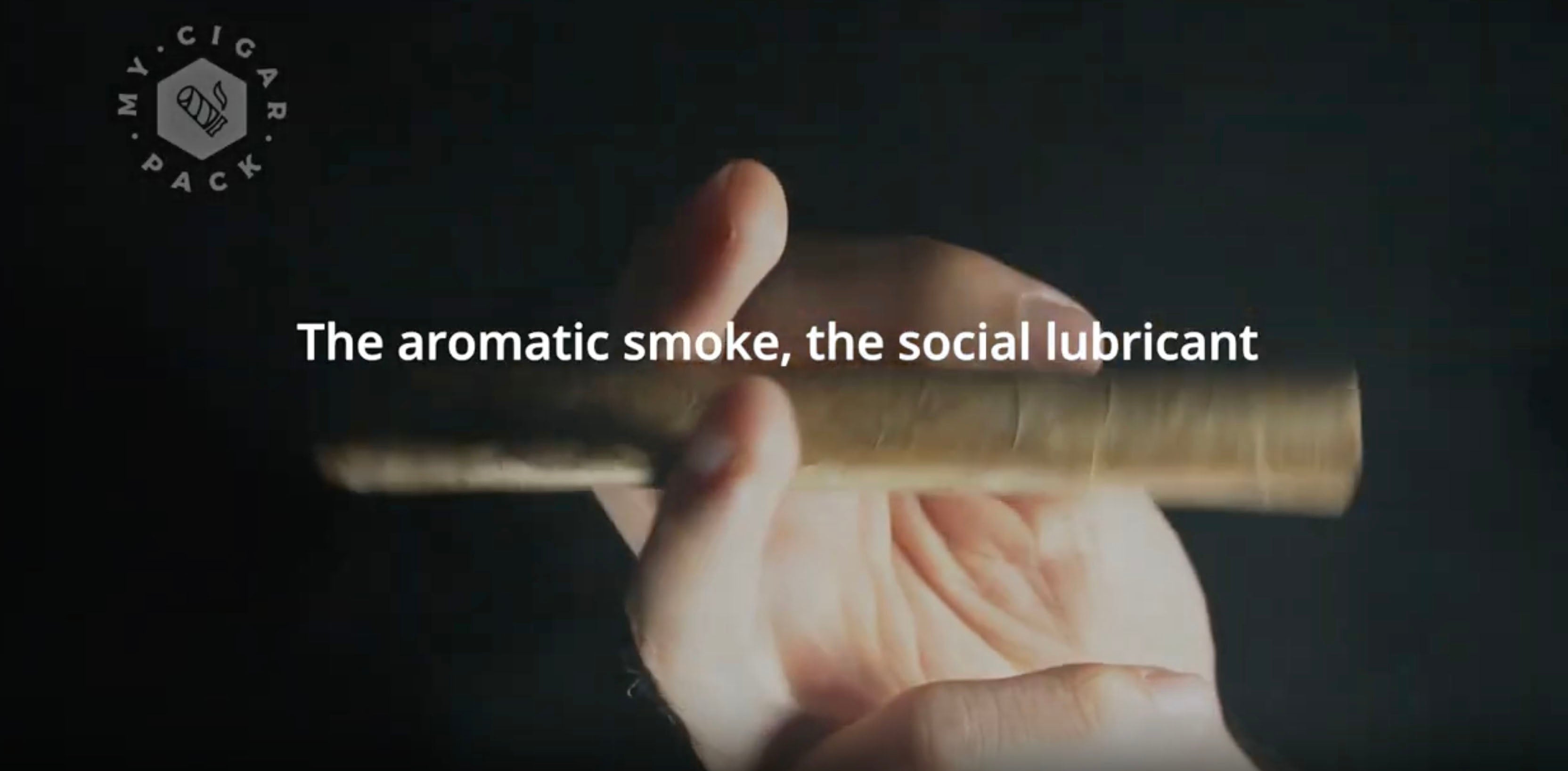
There are cigars that impress with power, others with finesse, and some that leave their mark not because of any single attribute, but because of how they make time feel while they burn. This piece is about that last category. It is about the emotional and sensory connection to cigars, the quiet understanding among those who love them, and the realization that life would feel fundamentally different without these moments of pause.
The content at the heart of this reflection is not a review of a single cigar or a comparison of profiles. It is an ode to the ritual itself. It speaks to the air changing once a cigar is lit, to the unspoken language of smoke, and to the way premium cigars occupy a unique space between craftsmanship, relaxation, and personal meaning.
This matters because cigar culture is not only built on blends and factories. It is built on moments. This article explores those moments through experience, sensation, and reflection, expanding on the themes presented and grounding them in the shared reality of cigar enthusiasts everywhere.
Core Reflection on the Experience
There is something unmistakable that happens when a cigar enters the equation. Conversation shifts, or sometimes fades entirely. The air becomes expressive in a way words cannot replicate. Aromatic smoke hangs gently, not intrusive, but present, acting as a bridge between people or as a companion in solitude.
The sounds come first. The quiet click of a cutter, deliberate and precise. The ignition of a torch, followed by the soft roar of flame. These are not just steps, they are signals. A cigar has been chosen, prepared, and brought to life. There is intention in each movement, and that intention sets the tone for what follows.
Once lit, the cigar becomes an object of attention and care. It is admired from foot to cap, its appearance inviting without being demanding. There is a certain elegance in the way a well-made cigar carries itself, sensual and refined, encouraging patience rather than haste.
The experience does not concern itself with surface distinctions. Shade-grown, sun-grown, maduro, oscuro, lighter or darker, these are variations in expression, not measures of worth. A puro remains a puro, valued for authenticity and integrity rather than appearance alone. What matters is the craftsmanship and the honesty of what is being offered.
Cultural and Industry Context
Cigars have always occupied a cultural space that goes beyond consumption. They have been present in celebrations, in negotiations, in quiet evenings, and in moments of personal reflection. This content speaks directly to that lineage.
In a modern industry often driven by new releases and limited editions, there is a growing appreciation for slowing down and reconnecting with why cigars matter in the first place. This reflection aligns with that shift. It emphasizes ritual over novelty, experience over excess.
The industry has also seen renewed interest in storytelling. Not marketing stories, but human ones. Stories about why people smoke, how they smoke, and what cigars represent in their lives. This perspective reinforces the idea that cigars are companions to time, not distractions from it.
Premium cigars are often described as social lubricants, and that description fits here perfectly. They create shared space without forcing interaction. Whether among friends or strangers, a cigar establishes common ground.
The Essence of Craft and Authenticity
One of the strongest themes present is the idea that flavor is not manufactured, but inherited. Spice, fruit, and earth are not additives, they are expressions of the leaf itself. This distinction is central to understanding premium cigars.
Handmade cigars carry the imprint of their process. Each one reflects the care taken at every stage, from cultivation to rolling. When smoked, that care translates into an experience that feels complete and intentional.
There is respect in how the cigar is treated. It is lit carefully, avoiding excess heat or haste. There is an understanding that the cigar responds to patience, rewarding it with balance and clarity.
This approach mirrors how many enthusiasts engage with cigars. It is not about chasing intensity or novelty. It is about consistency, integrity, and enjoyment.
Sensory and Experience-Driven Perspective
Smoking a cigar is an act of presence. The senses engage fully. The aroma of smoke carries warmth and familiarity. The first draw introduces texture as much as taste, setting expectations gently rather than aggressively.
As the cigar progresses, it moves through its thirds like a conversation unfolding. Nothing is rushed. Each stage has its own character, but all belong to the same narrative. The cigar is held gently, almost protectively, reinforcing the intimacy of the experience.
There is a rhythm to it. Puff, pause, reflect. The cigar encourages stillness, even in busy environments. Time feels cooperative rather than demanding.
As the burn line advances, the experience becomes increasingly personal. The setting fades, replaced by thought and sensation. This is where cigars often do their best work, not as objects, but as catalysts for reflection.
Educational Value for the Reader
This reflection offers several quiet lessons. First, it reinforces the importance of intention. How a cigar is approached shapes the entire experience. Rushing diminishes it, patience elevates it.
Second, it highlights the value of natural expression. Premium cigars do not need embellishment to be compelling. Their appeal lies in honesty and balance.
Third, it reminds readers that cigars are not competitions. There is no requirement to analyze every draw or identify every nuance. Enjoyment is not measured by vocabulary, but by connection.
Finally, it encourages mindfulness. Cigars pair best with time, not distraction. They invite the smoker to be present, to engage with the moment fully.
Industry Impact and Consumer Perspective
Content like this strengthens cigar culture by reaffirming its human side. It reminds consumers why cigars matter beyond trends and releases.
For the industry, it supports long-term engagement. Enthusiasts who connect emotionally with cigars are more likely to remain involved, to explore thoughtfully, and to share the experience with others.
This perspective also fosters inclusivity. By focusing on shared feelings rather than expertise, it welcomes newcomers without alienating seasoned smokers.
The closing reflection, questioning whether anything could inspire the same affection as cigars, resonates deeply. It speaks to loyalty built on experience rather than branding.
Conclusion
For the love of cigars is not about a single smoke or a specific moment. It is about the collective understanding among those who appreciate what cigars offer.
They transform air into atmosphere, time into experience, and silence into connection. They ask for care, reward patience, and leave behind memories rather than residue.
As the final ash falls and eyes drift upward, the question lingers naturally. Will anything ever replace what cigars represent. For many, the answer is already clear, carried softly in the smoke as it fades.